
/ 1 min read
10 Things You Need to Know About Art & Design
Explore ten fascinating ideas that shape art and design, from color and typography to creative movements, visual composition, texture, and motion.
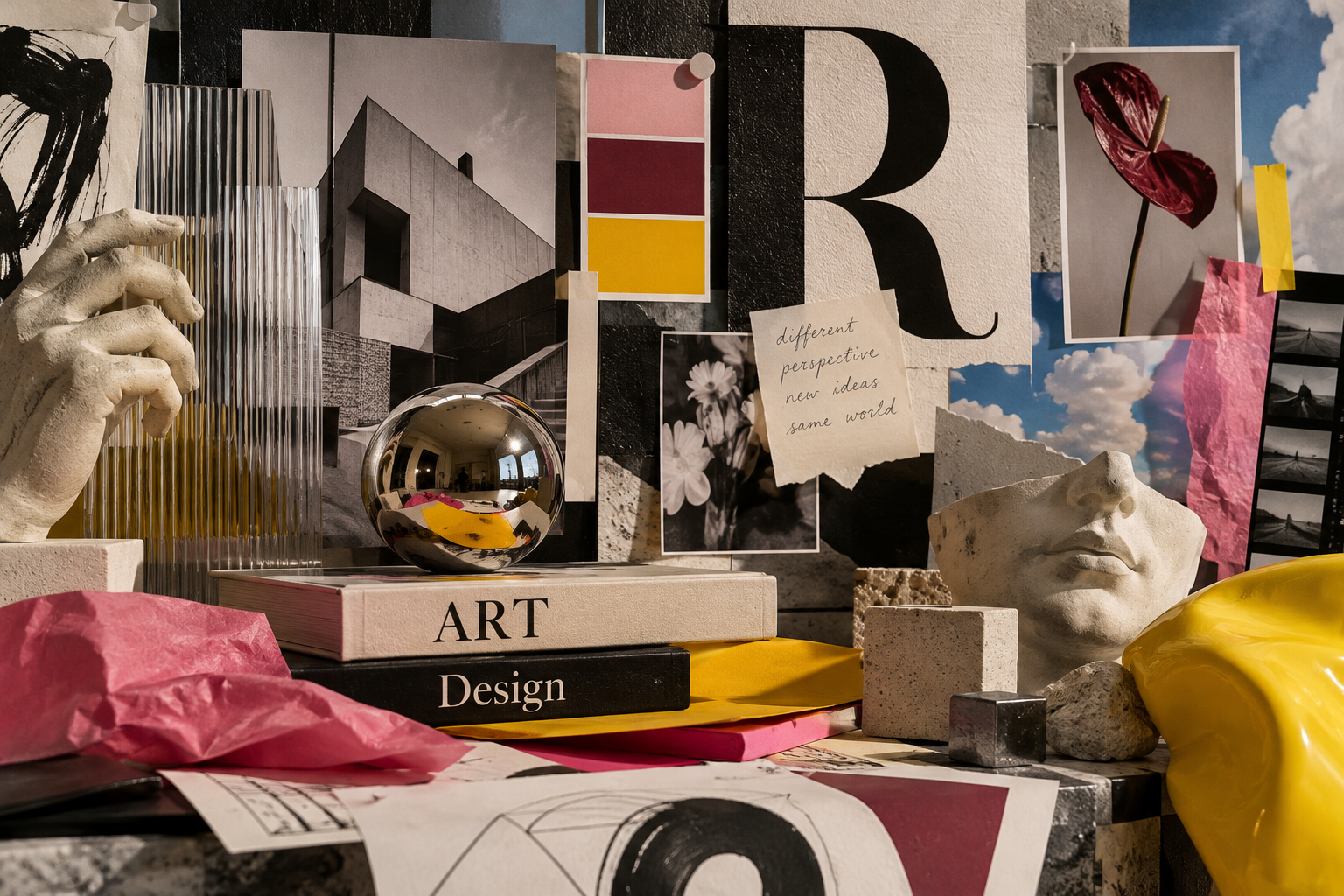
1. Color changes how we experience a space
A deep burgundy can make a room feel intimate. Electric yellow brings energy. Soft blue creates a sense of calm. Artists and designers use color to build atmosphere and influence perception.
2. Typography has a personality
A single word can feel elegant, playful, rebellious, or futuristic depending on its typeface. Letterforms carry cultural references, historical influences, and emotional associations.
3. The Bauhaus changed modern design
Founded in Germany in 1919, the Bauhaus brought art, craft, and industrial design together. Its influence continues through architecture, furniture, graphic design, and everyday objects.
4. Texture makes digital design feel tangible
Grain, paper, fabric, metal, and imperfect surfaces add visual depth. These details can make a digital composition feel more physical and expressive.
5. Composition guides the eye
Scale, contrast, alignment, and spacing determine where we look first. A strong composition creates rhythm and helps viewers navigate information naturally.
6. Art movements influence today’s branding
Pop Art, Surrealism, Constructivism, and Minimalism continue to inspire contemporary visual identities. Their influence appears in everything from packaging to fashion campaigns.
7. Negative space is a design element
The empty areas surrounding an image or typography influence balance, emphasis, and readability. Sometimes the space around an object is what gives it presence.
8. Everyday objects can become creative references
Street signs, vintage magazines, supermarket packaging, and architectural details often inspire unexpected design directions. Inspiration frequently comes from observing familiar things with fresh eyes.
9. Motion gives visual identities another dimension
Animation introduces timing, rhythm, and personality. A logo can stretch, bounce, rotate, or transform, creating a recognizable behavior that complements its visual form.
10. Great design creates recognition
Distinctive typography, a consistent visual language, thoughtful art direction, and memorable details help an identity become familiar over time.
At RASIL Studio, we explore these principles through branding, digital experiences, and creative direction — bringing different disciplines together to create work with character.